
Green Steel: The Next Frontier in Clean EV Manufacturing
Steel is the backbone of modern vehicles. From the frame to critical safety components, it plays an essential role in every car, truck, and bus on the road. In fact, automakers are among the largest consumers of primary steel in any industry. Yet few realize that steel is also a major driver of climate change—accounting for 8% of global greenhouse gas emissions. For automakers committed to building a cleaner future, tackling steel’s carbon footprint is non-negotiable.
What is Green Steel?
Green steel refers to steel produced with dramatically lower carbon emissions, often by replacing coal and natural gas with low-emissions electricity and/or hydrogen. Transitioning to green steel is essential to decarbonizing supply chains—and for automakers, it’s urgent. Steel alone can account for 30–70% of a vehicle’s Scope 3 emissions, the indirect emissions embedded in materials and manufacturing.
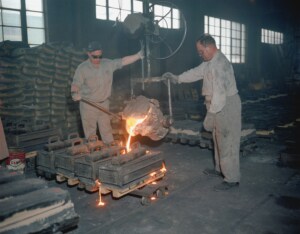
Photo by Provincial Archives of Alberta on Unsplash
To understand green steel, it’s important to know how steel is traditionally made. Primary steel production, which turns iron ore into new steel using blast furnaces powered by coal and natural gas, is extremely emissions-intensive. When natural gas and coal burn, they react with oxygen to produce CO₂ at a much higher rate than green fuels. In contrast, secondary steel production, which melts down recycled scrap using electricity, results in far fewer emissions. Many key automotive components still require primary steel—and today, most primary production remains dependent on fossil fuels.
But EVs Are Green, Right?
Electric vehicles are a cornerstone of the clean transportation revolution. But to achieve their full potential, we must address the emissions hidden in their supply chains. In addition to decarbonizing the electric grid, automakers must drive down emissions from steel, aluminum, and battery production—the three largest material contributors to an EV’s carbon footprint. Green steel is a critical piece of this puzzle.
The idea that switching to low-emission steel will drastically increase car production expenses is a common misconception. In reality, the adoption of green steel is expected to add just $100-$200 to the cost of an average car. This represents a modest increase for a massive environmental payoff—projections suggest that switching to green steel can slash the embodied emissions from car manufacturing in half, making it one of the most effective ways to decarbonize the auto industry. Experts at the intersection of the auto and steel industries agree on one thing for sure: it’s not a question of if the first green steel car will hit the U.S. market but when.
What Should Automakers Do?
In the United States today, there is not a single fossil-free primary steelmaking facility, and there are no automaker offtake agreements for green steel. Meanwhile, Europe is moving forward, with several green steel plants under construction including Stegra’s Boden facility in Sweden, expected to come online in 2027. Leading automakers like BMW, Volvo, Mercedes-Benz, and Volkswagen have already signed green steel procurement agreements with a range of emerging producers.
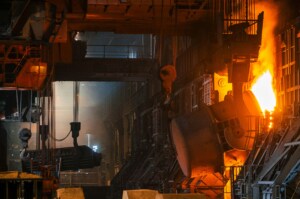
Photo by Ant Rozetsky on Unsplash
Right now, stateside steel manufacturers could adopt more sustainable technologies such as the use of recycled steel and EAFs powered by carbon-free energy to produce low-embodied carbon steel. Indeed, many innovative green steelmakers are eager to invest in U.S. production, but clear demand signals are needed to unlock that growth. At the same time, traditional producers have been slower to move, and stronger pressure from automakers is essential to spur investment in these new steelmaking facilities. Automakers have a powerful opportunity to lead by publicly committing to procure green steel, which would help to catalyze both new market entrants and needed transformation within the existing industry. And where better to start than with their electric vehicles, the symbol of a zero-emission future?
CALSTART’s Green Steel Program is leading the charge—working to engage automakers, support green steelmakers, and accelerate the shift to a truly zero-emission transportation system.