
Q&A: Battery Suppression and What You Need to Know
Battery innovations like battery energy storage systems (BESS) can transform zero-emission fleets, bringing us closer to new technology to service all our electric vehicle (EV) needs.
With these innovations also comes risk, which EV owners can mitigate given the right resources, education, and training. That’s where CALSTART’s Project Manager, Katie Tomaszewski, comes in.
We recently sat down with Katie to learn more about how to handle these risks and what we need to know about EV battery suppression, which is used to prevent BESS systems from igniting. Read more below:
Q: What causes EV batteries to ignite or start fires?
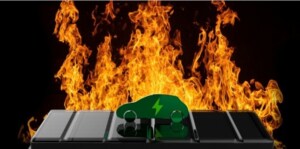
EV battery fires are rare, but when they do occur, they usually are caused by Thermal Runaway (TR), which is when heat builds inside the battery faster than it can be managed. This can be caused by crash damage, rare manufacturing defects, or charging problems which can trigger a chain reaction inside the battery.
Source: IDTechEx
Q: What technology is out there to help suppress batteries that are at risk of ignition?
The technologies that are used to suppress EV batteries that are at risk of ignition focus on early detection and aggressive cooling, including off-gas sensors, internal thermal barriers, safer chemistries, and external methods like water-based cooling and water lances to stop thermal runaway from spreading.
Q: What can individual EV owners do to protect themselves from any kind of battery ignition?
EV battery fires are rare, and most owners will never experience one. That being said, there are a few simple things owners can do to reduce the risk even further. Firstly, use the charging equipment that is recommended by the manufacturer and avoid damaged cables or unofficial adaptors. Secondly, pay attention to the vehicle’s alerts. EVs are constantly monitoring their batteries, and if you see a warning or if the car limits power or charging, it’s usually doing that to protect itself. It’s also important to not ignore major impacts. After a serious crash or a hard hit to the underside of the vehicle, you should have it inspected, even if it is still driving normally. Finally, it’s recommended to follow basic battery-friendly habits, like avoiding charging to 100% all the time (unless you need the range), limiting frequent fast charging when possible, and parking or charging in well-ventilated areas.
Q: Are there signs that EV owners can look for to indicate whether they need to take appropriate measures to avoid risking battery ignition?
EVs are designed to provide early warnings when something isn’t right with the battery. In addition to taking impacts on the vehicles seriously, paying attention to dashboard alerts; changes during charging; and unusual smells, sounds, heat, or vehicle behaviors can help owners act early and avoid safety risks.
Q: What can fleet owners do to pursue battery suppression across all their vehicles?
For fleet owners and operators, battery suppression is less about extinguishment, since there’s currently no consistently effective way to put out a lithium-ion battery fire using and more about layered prevention and early intervention at scale. The industry has therefore focused on improved battery pack design, centralized monitoring, standardized charging practices, and facility-level detection to provide earlier warnings and more reaction time if a thermal event begins. Clear response protocols and coordination with emergency services are critical to managing heat, isolating affected assets, and preventing a single battery incident from cascading across the rest of the fleet.
Q: What battery suppression technologies are in development that you think will help address lingering battery ignition risks?
There are several battery suppression and mitigation technologies currently in development, but most innovations are shifting toward earlier detection rather than attempting to extinguish a battery fire once it has fully developed. Today’s battery management systems primarily rely on temperature, voltage, and current monitoring, which often only indicate a problem once a cell is already approaching thermal runaway, the point at which intervention options are limited. New methods try to spot problems much earlier by detecting internal damage or chemical changes before there’s any heat, smoke, or fire, often by using sensors that can pick up gases. In parallel, flood-based cooling concepts are being explored to rapidly remove heat and reduce the risk of delayed ignition. Together, these approaches focus on intervening sooner and more decisively than traditional suppression methods, buying critical time to isolate affected batteries and prevent escalation.
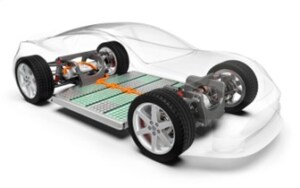
EV battery inside of a vehicle. Source: ITW Performance Polymers
Q: Similarly, what other EV battery-related risks do you hope will get addressed over the coming years by newer technology?
Looking ahead, I hope new technologies continue to reduce battery risks by making thermal runaway even less likely through safer battery chemistries, improving early detection of internal damage, addressing delayed ignition after crashes or charging faults, and ensuring batteries remain safe throughout their entire lifecycle. The long-term goal is to have batteries that are not just high-performance, but inherently more stable and predictable in every scenario.
Q: What do you think policymakers and manufacturers should prioritize to ensure that battery suppression is properly addressed among consumers (both individuals and fleet owners)?
To properly address both consumer and fleet battery suppression, policymakers should focus on clear standards, consistent warnings, and safe charging infrastructure, while manufacturers should prioritize early intervention, detection, and education. Together, these efforts will help make suppression understandable, reliable, and scalable.
Q: Can you tell us the key lessons that your experience with battery suppression has taught you?
My experience has taught me several important lessons about battery suppression. The first is that these events are uncommon, and modern EVs are very safe vehicles overall. The second is that effective suppression always starts with detection. Whether it’s through the battery management system, gas sensors, or emerging acoustic detection technologies, recognizing that a battery is developing issues is a critical first step. Early detection creates the opportunity to intervene, reduce risk, and prevent a small issue from becoming a larger event.

About Katie:
Katelyn Tomaszewski serves as a Project Manager at CALSTART, specializing in the advancement of battery technologies, circular supply chains, and zero‑emission medium- and heavy‑duty transportation systems. Her work spans electric fleet deployment, battery safety and performance, and end‑of‑life strategies that promote a sustainable and resilient battery value chain. Recognized as a Top 10 Emerging Leader in E‑Mobility in 2024, she brings a strategic, systems-oriented perspective informed by advanced training in business sustainability strategy at MIT, driving scalable and commercially grounded solutions for the clean transportation industry.